BBC The Blue Planet Disc 1: Ocean World (2002)
 Index
Index 
BBC The Blue Planet Disc 1: Ocean World (2002) |
Index
|
Every summer on the eastern coast of South Africa, a living black 'slick' of millions of sardines is whipped up by the coastal currents. It attracts thousands of cape gannets, hundreds of bronze whaler sharks and thousands of common dolphins. As the predators gorge, the dolphins work together and release walls of air bubbles that corral the sardines into tight bait-balls for an easy catch. A Bryde's whale appears and polishes off the feast.
Every evening, as the sun sets, the largest migration on the planet takes place in the oceans. One thousand million tonnes of deep sea creatures journey up towards the surface in search of food.
For a few days each year, a squid spectacle is seen off the Californian coast as millions of squid come up from the deep to breed and lay their eggs. Almost as soon as they appear they disappear back into the deep or die.
The moon's gravitational pull controls the ebb and flow of the tides. Every year on the coast of Costa Rica there is an extraordinary event called the arribada, which is closely linked to the tides.
On a last or first quarter moon, up to 5,000 female Ridley's turtles hit the beach each hour to lay their eggs in the sand. Over the course of three or four nights, 400,000 turtles come to one beach, just a mile long, and lay an estimated 40 million eggs.
Grey whales take a 12,000 mile round-trip migration from their breeding grounds in Mexico up the entire coast of North America to the Arctic Sea. Off Monterey, California, a grey whale is cruising slowly with her calf and this makes them vulnerable to attack. A 15-strong pod of killer whales takes six hours to run down the calf and drown it. The killers only eat the tongue and lower jaw, but this much energy never goes to waste. The carcass sinks to the bottom of the ocean where it attracts scavengers that live exclusively in the deep oceans.
|
| 0:30 | Blue Whale feeding on Krill | 3:10 | Cape Gannets diving | 8:15 | Gulf Stream |
| 9:15 | Ocean currents bring nutrients | 9:55 | Tuna prey on plankton feeders | 10:40 | Silky Sharks patrol Eastern Pacific sea mounts (Cocos, Malpelo, Galapagos) |
| 11:25 | Hammerhead Sharks gather for cleaning by cleaner fish (juvenile Angelfish ?) | 12:20 | KwaZulu-Natal, South Africa: Sardines migrating on reversed Agulhas Current, preyed by Cape Gannets | 14:10 | Bronze Whaler Sharks feed on sardine bait ball. |
| 14:55 | Common Dolphin use "bubble netting" to catch sardines | 16:30 | Cape Gannets dive on the shoal | 18:15 | Bryde's Whale |
| 19:00 | Black-browed Albatross colony at Steeple Jason (south Atlantic) | 21:10 | Nocturnal migration/feeding on phytoplankton | 23:30 | Costa Rica Pacific coast: Ridley Turtles laying eggs at low tide (arribad) |
| 27:00 | Lesser Yellow-headed Vulture? eating turtle eggs | 28:40 | Spring in Alaska: Atlantic Herring? return for breeding, preyed by Humpback Whales , Steller Sea Lions , and California Sea Lions , and Glaucus-winged Gulls | 31:45 | Curds of herring sperm clog shores. Eggs food for crabs, Surf Birds , Bonaparte Gulls , Surf Scoters |
| 34:40 | Gray Whales feed on Krill | 35:30 | Killer Whales hunt Gray Whale calf (Monterey, California) | 43:00 | Hagfish , Sleeper Shark feed on whale carcass. |
| 45:30 | Opalescent Squids mating, laying eggs in shallow water |
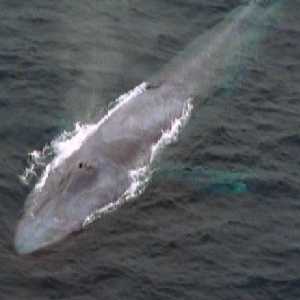 0:30 Blue Whale |
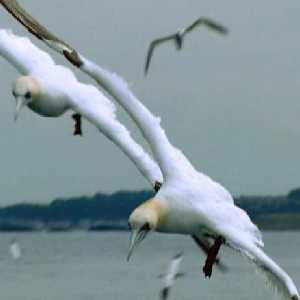 3:10 Cape Gannets |
 9:55 Tuna |
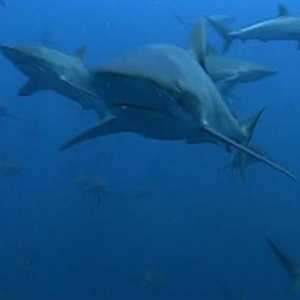 10:40 Silky Sharks |
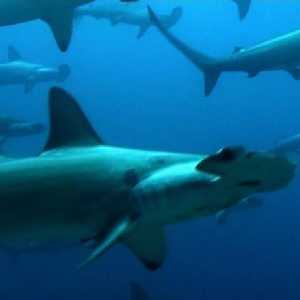 11:25 Hammerhead Sharks |
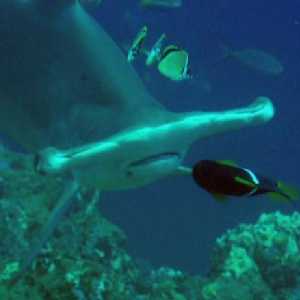 11:25 Angelfish ?) |
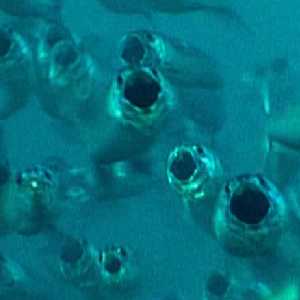 12:20 Sardines |
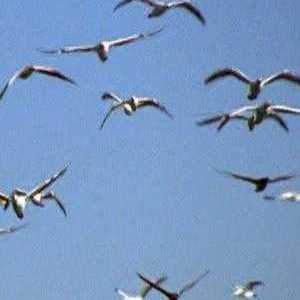 12:20 Cape Gannets |
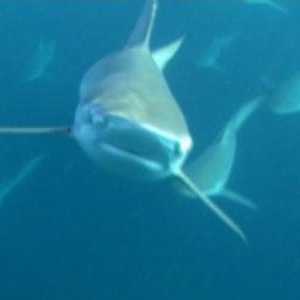 14:10 Bronze Whaler Sharks |
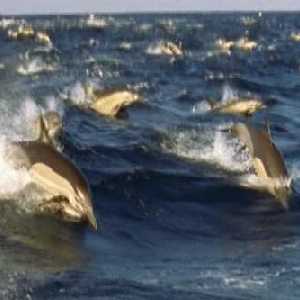 14:55 Common Dolphin |
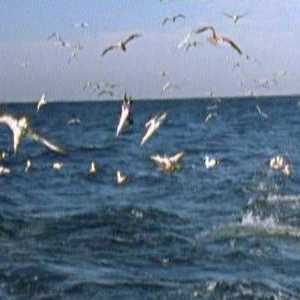 16:30 Cape Gannets |
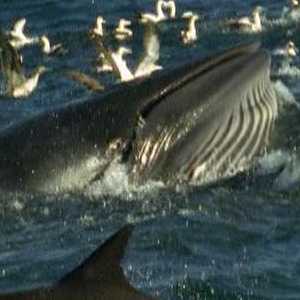 18:15 Bryde's Whale |
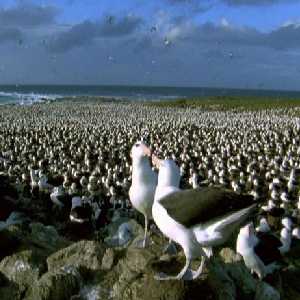 19:00 Black-browed Albatross |
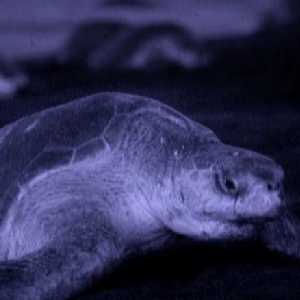 23:30 Ridley Turtles |
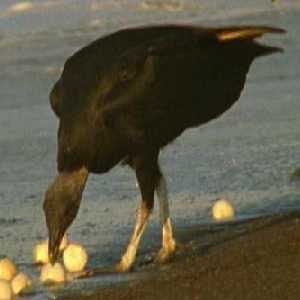 27:00 Lesser Yellow-headed Vulture? |
 28:40 Atlantic Herring? |
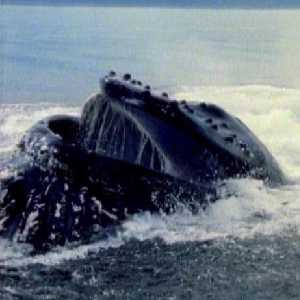 28:40 Humpback Whales |
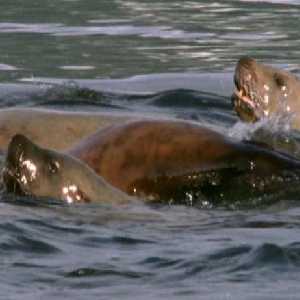 28:40 Steller Sea Lions |
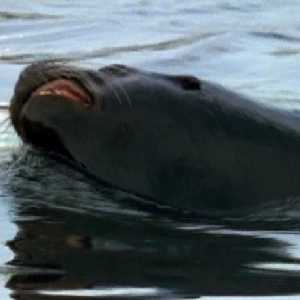 28:40 California Sea Lions |
 28:40 Glaucus-winged Gulls |
 31:45 Surf Birds |
 31:45 Bonaparte Gulls |
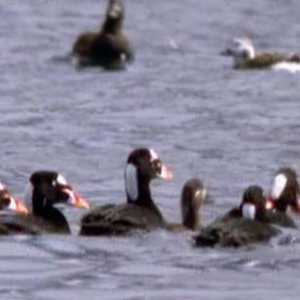 31:45 Surf Scoters |
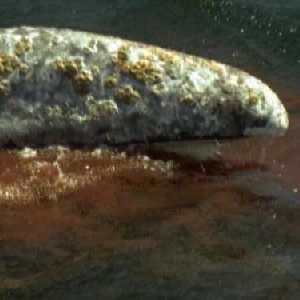 34:40 Gray Whales |
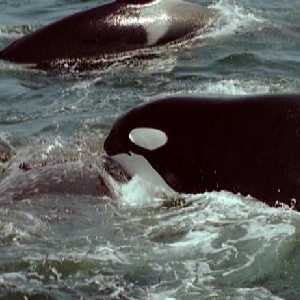 35:30 Killer Whales |
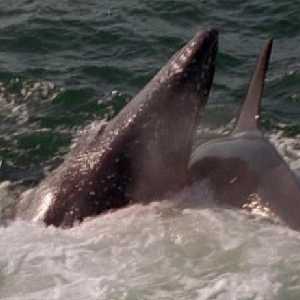 35:30 Gray Whale calf |
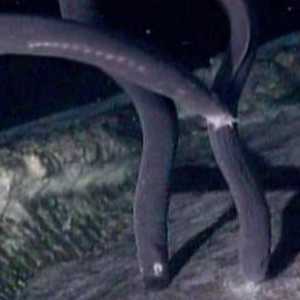 43:00 Hagfish |
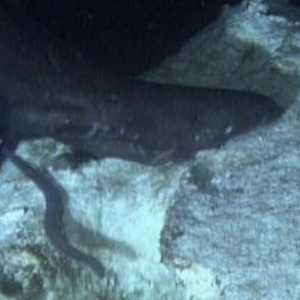 43:00 Sleeper Shark |
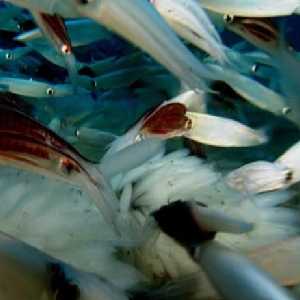 45:30 Opalescent Squids |
| Index | Dec 23, 2005 |  Peter Chen 2.0 Peter Chen 2.0 |
